Choosing a Forex broker is one of the most important decisions you’ll make as a trader. You can have the best trading strategy, disciplined risk management, and years of experience—but if your broker isn’t trustworthy, your capital is still at risk.
Unfortunately, thousands of traders lose money every year not because of poor trading decisions, but because they deposit funds with unregulated brokers, cloned firms, or fraudulent companies pretending to be legitimate financial institutions.
The good news?
Verifying a broker’s regulatory status takes only a few minutes, yet it can protect you from devastating financial losses.
In this guide, you’ll learn exactly how professional traders verify a Forex broker before opening an account. We’ll walk through checking official regulatory registers, identifying cloned firms, understanding different regulatory tiers, and knowing what regulation actually protects—and what it doesn’t.
We have partnered with AvaTrade, one of the industry’s leading regulated brokers.
When you open and trade with AvaTrade through our partnership, you receive:
If you’re looking to accelerate your trading journey while enjoying premium education, this partnership gives you everything you need under one roof.
If you already have account with them, still follow this link to open separate account with separate email. Once you did that, contact me with the telegram link below and we will give you the access.
Telegram Channel: https://t.me/vladimirribakovtradingchannel
When you deposit money into a Forex trading account, you’re trusting a company to:
Without regulation, there is little oversight over how your money is handled.
A properly regulated broker must comply with rules covering:
These requirements significantly reduce the chances of fraud and misconduct.
However, regulation is not a guarantee that you will make money trading—or even that a broker can never fail. It simply provides a much stronger legal framework and higher standards of accountability.
Many traders make the mistake of searching only for the broker’s brand name.
Instead, identify the legal company behind the brand.
For example, a broker may advertise under one trading name while operating under an entirely different legal entity.
Look for:
These details are usually found in the website footer, “About Us” page, or legal documentation.
If this information is difficult to find, consider it a warning sign.
Never rely solely on what appears on the broker’s website.
Always cross-check the information directly with the regulator.
The three most respected regulators among retail Forex traders include:
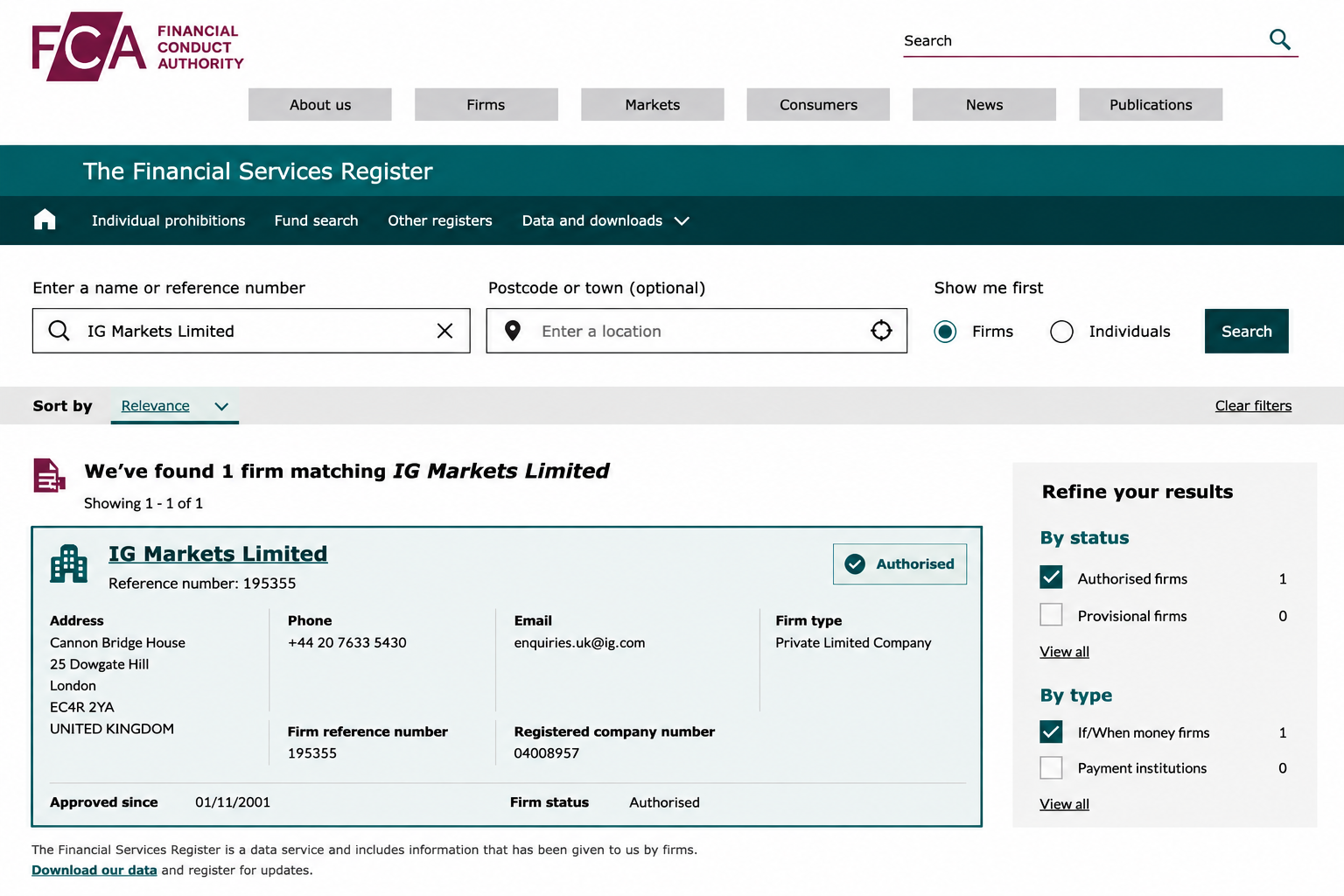
The FCA is considered one of the world’s most respected financial regulators.
When checking the FCA register:
Ensure the firm’s permissions include investment services
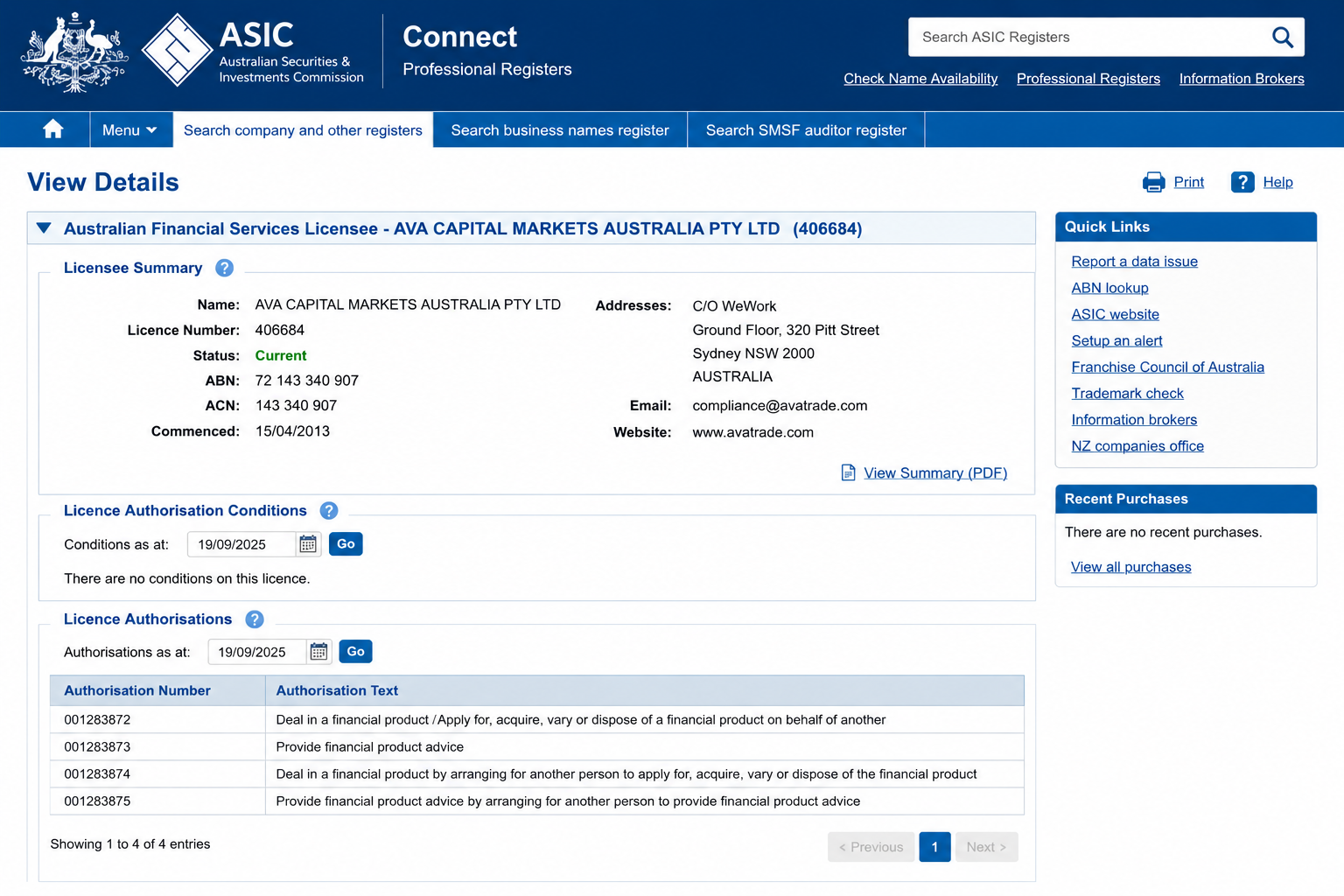
ASIC regulates financial services companies operating in Australia.
When verifying an ASIC license:
ASIC maintains high compliance standards and performs ongoing supervision of licensed firms.
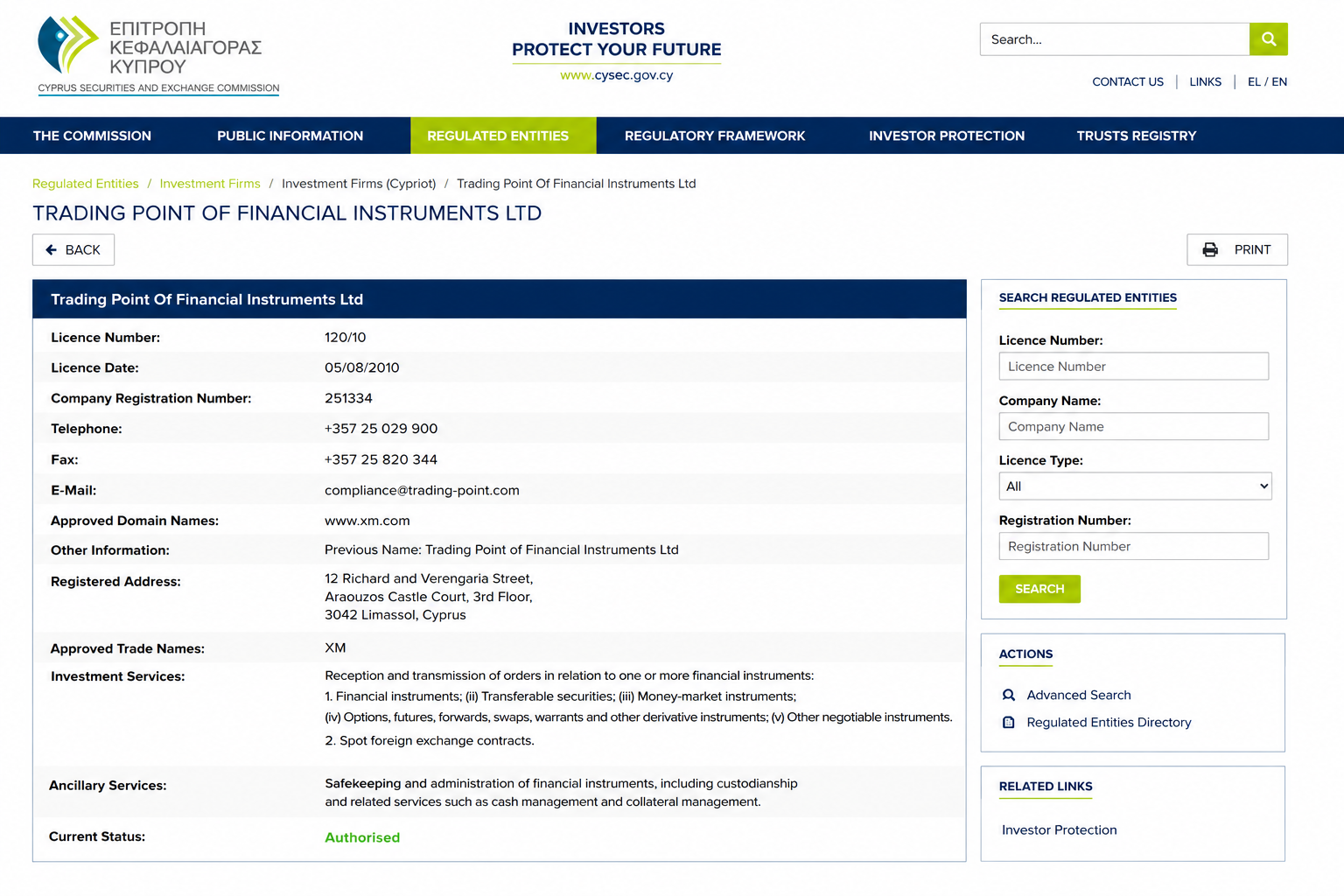
CySEC regulates many European Forex brokers.
Although some traders underestimate CySEC compared to the FCA, it operates under the European MiFID framework and requires significant regulatory compliance.
Verify:
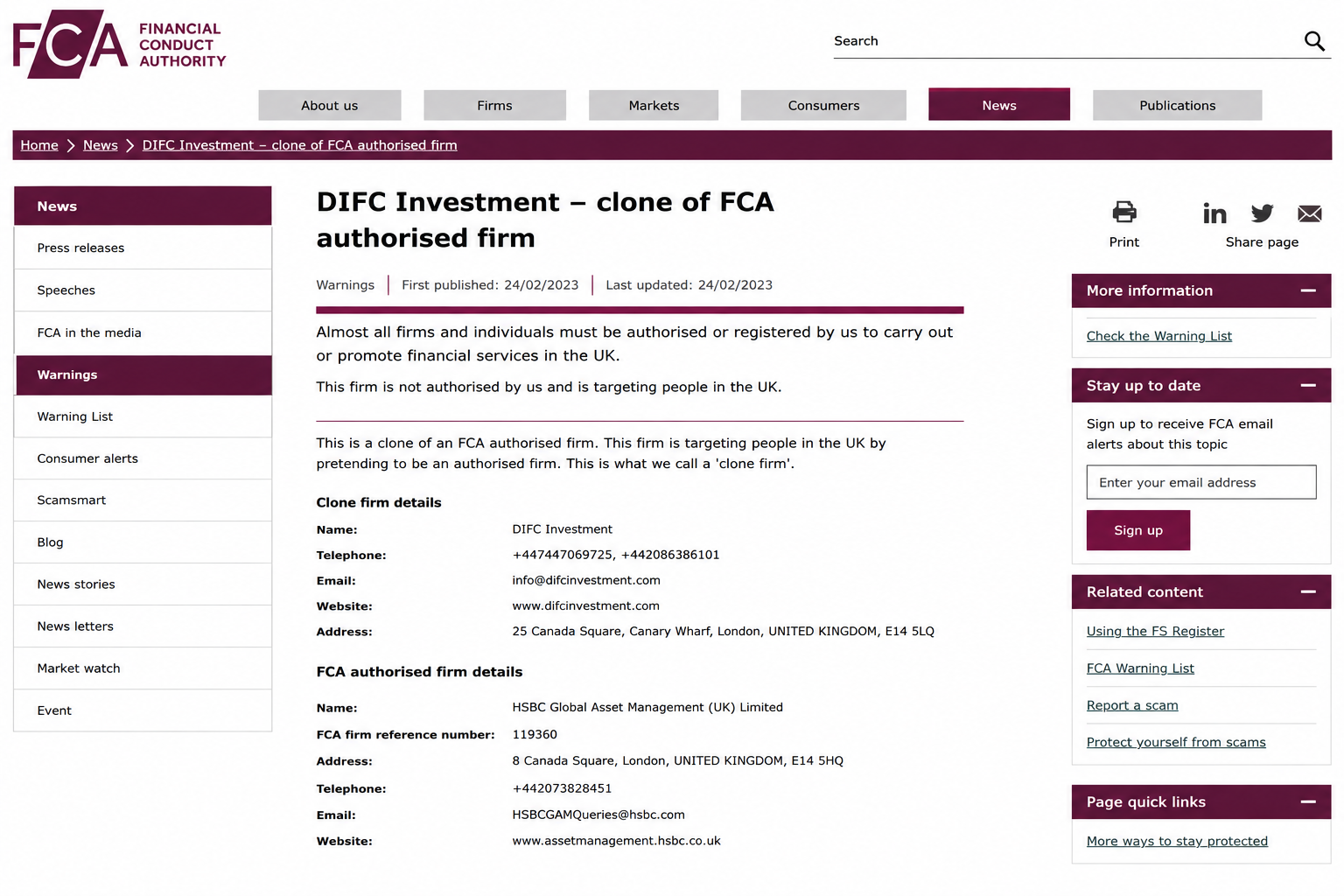
One of the fastest-growing scams involves cloned firms.
A clone firm copies the details of a legitimate regulated company to appear trustworthy.
They may copy:
However, they direct victims to fake websites and fake customer support.
This creates the illusion that they are regulated when they are not.
How to Detect a Clone Broker
Always compare:
✅ Website domain
✅ Email addresses
✅ Telephone numbers
✅ Office addresses
✅ Trading platform download links
If anything differs from the regulator’s official listing, stop immediately.
Legitimate regulators frequently publish clone warnings.
Many traders only verify the company.
Professionals verify the website itself.
For example:
Correct: www.companyname.com
Clone: www.companyname-invest.net
or
www.companynamefx.org
Even a single extra character may indicate fraud.
Always compare the website listed by the regulator with the one you’re visiting.
Not all regulators offer the same level of investor protection.
A useful way to think about regulation is through regulatory tiers.
Tier 1 Regulators
Generally considered the highest standard.
Examples include:
These regulators typically require:
Tier 2 Regulators
Offer respectable oversight but usually slightly lighter regulatory requirements.
Examples include:
Many reputable brokers operate under these licenses.
Tier 3 Regulators
Usually involve offshore jurisdictions.
Examples include:
This does not automatically mean the broker is unsafe.
However, investor protections are often weaker.
If choosing an offshore broker, research its reputation thoroughly.
Many beginners misunderstand regulation.
Regulation does not guarantee:
Profitable trading
No losing trades
Zero broker failure risk
Instead, regulation helps protect traders through rules such as:
Segregated Client Funds
Client money should be held separately from company operating funds.
This reduces the likelihood that customer deposits are used for business expenses
Capital Adequacy Requirements
Regulated brokers must maintain sufficient financial reserves.
This lowers insolvency risk.
Complaint Resolution
Many regulators require formal complaint procedures.
Some jurisdictions also provide independent dispute resolution services.
Financial Reporting
Licensed firms submit periodic financial reports and undergo audits.
This improves transparency.
Conduct Rules
Regulated firms must follow rules relating to:
Fair marketing Risk disclosure Best execution Conflicts of interest
Some jurisdictions also provide compensation programs.
For example:
United Kingdom
Eligible clients may receive compensation if an authorized firm fails and cannot return client money, subject to scheme limits.
European Union
Certain jurisdictions provide investor compensation arrangements depending on local regulations.
Remember:
Compensation schemes have eligibility requirements and financial limits.
Always read the regulator’s official documentation.
Avoid brokers displaying multiple warning signs.
Professional brokers do not need to pressure clients into depositing funds.
Before funding any trading account, complete this checklist.
| Verification Item | Complete? |
| Legal company identified | □ |
| License number verified | □ |
| Official regulator register checked | □ |
| Website domain matches regulator listing | □ |
| Contact details match regulator listing | □ |
| No clone warnings issued | □ |
| Client fund segregation confirmed | □ |
| Withdrawal policy reviewed | □ |
| Terms and conditions read | □ |
| Independent trader reviews researched | □ |
If any item cannot be verified, pause before depositing money.
Many traders focus entirely on:
A broker offering 0.1 pip spreads means very little if you cannot withdraw your funds.
Professional traders evaluate trust before trading conditions.
Make broker verification part of your trading routine.
Whenever a broker changes:
Ownership Regulation Website
Banking arrangements Legal entity
Repeat the verification process.
It only takes a few minutes and can prevent costly mistakes.
Your broker is your gateway to the financial markets. Before risking even a single dollar, take the time to verify that the company is properly regulated, transparent, and operating under a reputable financial authority.
Checking the official registers of regulators such as the FCA, ASIC, and CySEC, confirming the broker’s legal entity, comparing website domains, and reviewing clone warnings should become standard practice for every trader.
Remember that regulation is an important layer of protection—but it is only one part of your due diligence. A well-regulated broker with a strong reputation, transparent policies, secure handling of client funds, and responsive customer support provides a much stronger foundation for your trading journey.
Successful trading isn’t only about finding the best market opportunities. It’s also about protecting your capital from unnecessary risks before you even place your first trade.
Trade smart, verify carefully, and always put safety before convenience.
To Your Trading Success,
Vladimir Ribakov
Internationally Certified Financial Technician
Home Trader Club
Have you ever opened your trading platform, watched the market move, and felt that you…
Employment data is one of the most important economic indicators in Forex fundamental analysis. It…
Welcome back to our weekly Forex forecast at Home Trader Club. This week, we are…
GDP growth is one of the most important indicators of economic health. But does stronger…
When it comes to fundamental Forex analysis, few institutions matter as much as the Federal…
Interest rates are one of the most important fundamental forces in the Forex market. But…